


Best Gaming Laptop Models


Beyond Gaming: Versatile Use Cases

Gaming laptops have transformed from niche, bulky devices into versatile powerhouses that bridge portability and performance. What began as an ambitious attempt to pack desktop-grade gaming capabilities into a mobile form has evolved into a multi-billion-dollar market, catering not just to gamers but also to content creators, professionals, and students seeking top-tier hardware. Today’s models seamlessly blend raw power, sleek design, and practical functionality, redefining what portable computing can achieve.

Reasons to buy
- Strong entry-level gaming
- Also solid for performance
- Starts relatively inexpensive

Reasons to avoid
- Could use better display and webcam
- Lots of pre-installed software
- Weak audio
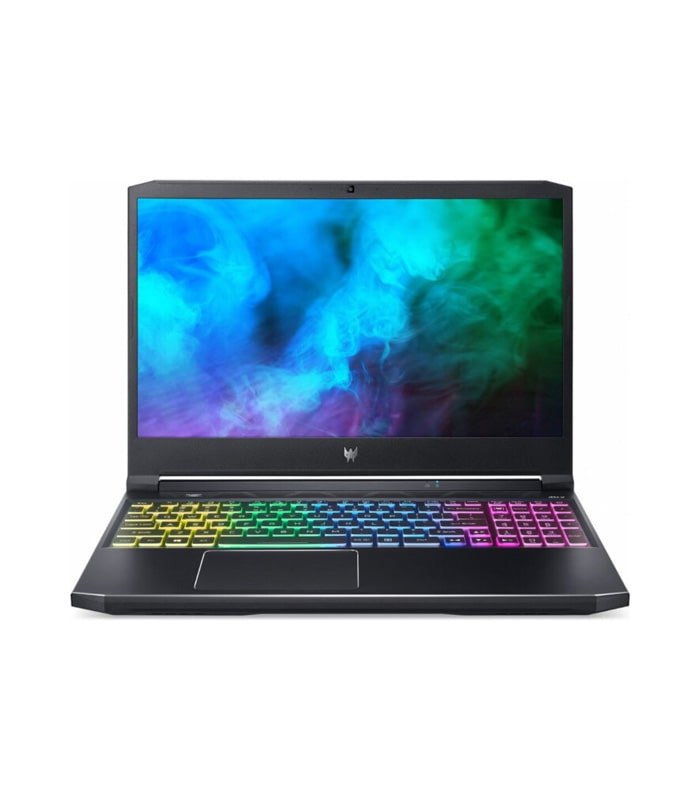
Reasons to buy
- Strong entry-level gaming
- Also solid for performance
- Starts relatively inexpensive
Reasons to avoid
- Could use better display and webcam
- Lots of pre-installed software
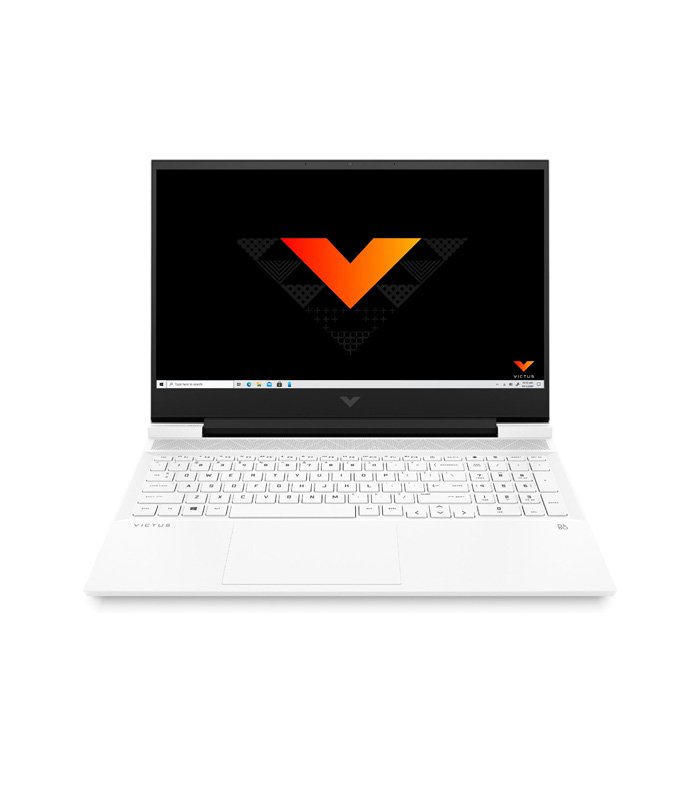
In a world where gaming is no longer confined to desktop setups in dimly lit rooms, gaming laptops have emerged as the ultimate solution for players who crave both performance and portability. Whether you’re a competitive esports enthusiast, a casual gamer who loves to play on the go, or a creative professional who needs a machine that can handle both AAA titles and heavy design workloads, selecting the right gaming laptop requires a careful balance of key factors.
Gone are the days when gaming laptops were synonymous with clunky, heavy bodies and abysmal battery life. Modern models are engineered with precision, packing desktop-class components into sleek, lightweight chassis. The first thing to consider when shopping for a gaming laptop is its processing power and graphics card—the heart and soul of any gaming machine. A high-performance CPU, such as Intel’s Core i7/i9 or AMD’s Ryzen 7/9 series, ensures smooth multitasking, whether you’re running a game in the background while streaming or editing a video. Pair this with a dedicated GPU like NVIDIA’s GeForce RTX 40 series or AMD’s Radeon RX 7000 series, and you get access to ray tracing and AI-powered upscaling technologies that deliver stunning, lifelike visuals. These components don’t just elevate gaming; they also make the laptop a powerhouse for 3D modeling, video rendering, and other GPU-intensive tasks.
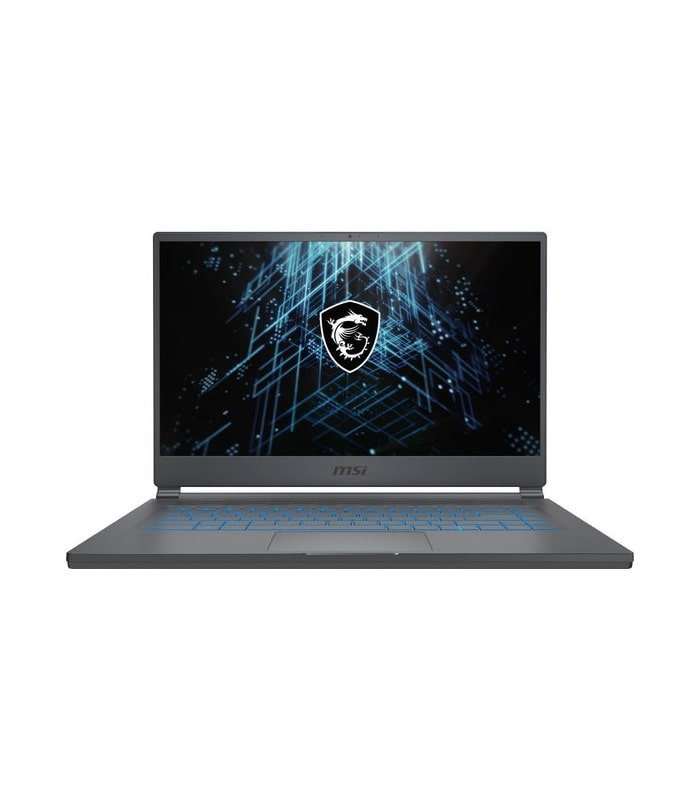
Reasons to buy
- Strong entry-level gaming
- Also solid for performance
Reasons to avoid
- Could use better display and webcam
- Lots of pre-installed software
- Weak audio
battery life and cooling are two often-overlooked factors that deserve serious attention. While gaming laptops are power-hungry by nature, advancements in battery technology and power management have led to models that can last 6–8 hours on casual use, such as web browsing or document editing. For gaming, however, you’ll still need to plug in—most laptops will drain their batteries in under 2 hours when running demanding titles. Cooling systems are equally important: a poorly cooled laptop will suffer from thermal throttling, where the CPU and GPU slow down to prevent overheating. Look for laptops with advanced cooling solutions, such as vapor chambers, multiple heat pipes, and customizable fan curves, to keep performance consistent during marathon gaming sessions.
Reasons to buy
- Strong entry-level gaming
- Also solid for performance
Reasons to avoid
- Could use better display and webcam
- Lots of pre-installed software
- Weak audio
Conclusions
the perfect gaming laptop is one that aligns with your unique needs. Whether you prioritize raw performance, portability, or a balance of both, the market is filled with options that cater to every budget and preference. From budget-friendly models that offer great value to premium flagships that push the boundaries of what’s possible, gaming laptops have truly evolved into versatile machines that go beyond just gaming—they’re a lifestyle choice for anyone who demands power and flexibility in one sleek package.